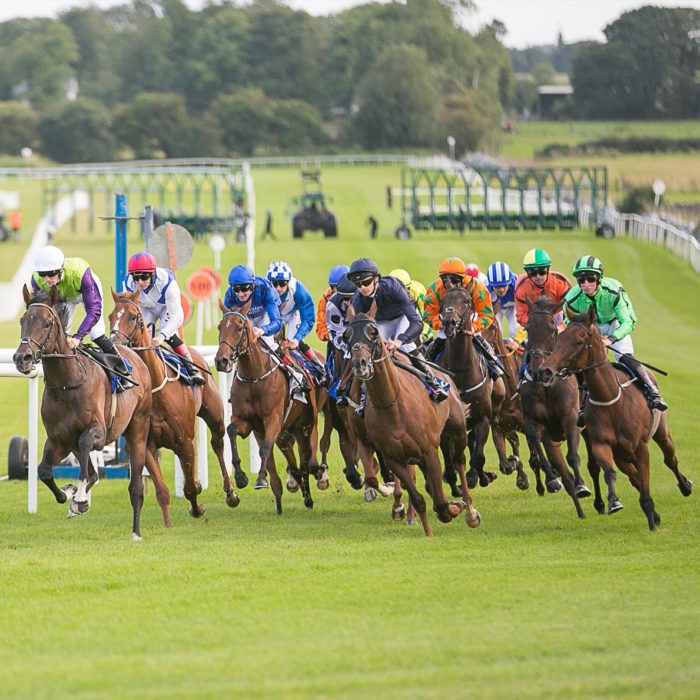
The Unsung Stories of UK Horse Racing
Horse racing in the UK is a vibrant tapestry woven with numerous events, stories, and traditions that captivate fans around the world. While some events like the Grand National and Royal Ascot are household names, many fascinating racing events are often overlooked. UK horse racing not on GamStop https://merseysidepolicemounted.uk/ In this article, we delve into these lesser-known racing events and explore what makes them unique and worthy of attention.
The Rich Tradition of Smaller Racecourses
In the UK, horse racing is not confined to a few prestigious tracks. The country boasts numerous smaller racecourses, each offering its own charm and character. Many of these courses host events that may not attract the same fanfare as bigger races but are deeply rooted in local culture.


For example, the various point-to-point events that occur across the countryside represent the grassroots of the sport. These amateur races give young riders and new owners the chance to participate in competitive racing. They are often held in picturesque settings, creating a community atmosphere that larger events sometimes lack.
Embracing Local Culture Through Racing
Events like the Cartmel Racecourse’s August bank holiday racing are a quintessentially British experience, combining traditional racing with local festivities. Cartmel is renowned for its stunning scenery and historic charm. Here, racegoers enjoy not just the thrill of the races but also local delicacies like sticky toffee pudding at the track.
Similarly, the annual Wexford Horse Racing Festival is a highlight in Ireland’s racing calendar but is often overshadowed by British events. However, it has developed a reputation for exceptional displays of both horse and jockey skills in a convivial atmosphere infused with local enthusiasm.
Raising Standards: The Role of Grassroots Competitions
The importance of grassroots competitions in shaping the future stars of horse racing cannot be overstated. Many champions began their journeys in smaller, local races, honing their skills before moving into the spotlight. Events like the Hunter Chase provide burgeoning horses a stepping stone to higher competitions, allowing them to compete against others of similar ability.
This nurturing environment fosters not just skill but also sportsmanship, making these events crucial in maintaining the integrity of horse racing. The emphasis on community at these competitions often contrasts sharply with the commercialized nature of major events, allowing connections to be formed between jockeys, owners, and fans.
Investment and Revival of Smaller Events
In recent years, there has been a strategic push to revive and invest in lesser-known racing events. Organizations and local governments are often behind such initiatives, understanding that these events foster community spirit and contribute significantly to local economies. By upgrading facilities and encouraging participation, they not only enhance the spectator experience but also improve the opportunities for upcoming talent.
One notable example is the efforts made by the British Horseracing Authority to support and develop regional racing, ensuring that its rich history continues to thrive. Their initiatives, including funding and marketing support for smaller events, have reignited interest among existing fans and attracted new audiences.
Encouraging Diversity and Inclusivity
Another critical aspect of smaller racing events is their potential to promote diversity and inclusivity within the sport. Many regional events actively engage underrepresented groups, offering programs designed to attract a more diverse audience. Ladies’ Days and family-friendly events are becoming more commonplace, making it easier for everyone to enjoy the thrill of racing.
Furthermore, the integration of community-driven events allows local voices to help shape the conversation around horse racing. By supporting diverse initiatives, the sport stands to benefit from a broad range of perspectives, leading to innovative ideas that can enrich the racing culture.
Environmental Considerations in Horse Racing
In an era where environmental consciousness is crucial, many smaller racing venues are taking steps to ensure sustainable practices. Initiatives like the reduction of plastic usage, improving public transport access to race days, and enhancing the ecological landscapes of the racetrack are being implemented. Smaller courses often have the flexibility to experiment with such measures, paving the way for more sustainable practices across the racing industry.
These changes not only appeal to the modern racegoer but also create a healthier environment for the horses, as natural terrains are preserved and enhanced. By promoting eco-conscious racing, these events can set a standard for larger events to follow, blending tradition with the urgency of contemporary environmental concerns.
Looking to the Future
While the spotlight often shines on major events, the future of UK horse racing lies in the continued support and development of smaller, local races. Their unique contributions to both the sport and the communities they are part of cannot be understated.
By fostering grassroots involvement, upholding ethical standards, and being mindful of environmental impacts, these races will continue to play an essential role. They are not just preparation grounds for future champions; they are a celebration of community and culture within the racing landscape.
As we move forward, it is vital to support and champion these smaller events, ensuring they receive the recognition they deserve. By broadening our understanding of UK horse racing beyond just the major events, we can appreciate the full spectrum of what the sport has to offer.
Conclusion
In conclusion, UK horse racing is a rich, diverse world that extends far beyond the high-profile races that dominate media coverage. Smaller racing events are where passion, community, and tradition thrive. They are essential for the future growth of the sport, providing valuable experiences for horses, riders, and fans alike.
As we look forward to the future, it is crucial to celebrate these unsung heroes of the racing calendar. By doing so, we enrich the racing culture and ensure that it remains vibrant, inclusive, and enduring.